
By alphacardprocess April 3, 2026
As the holidays draw nearer, there are distinct changes in the atmosphere of Downtown Scranton. Merchants see the potential for profit in the increased display of lights in windows, the increase of pedestrian traffic, and the starting points for gift shopping with stories behind them. With Small Business Saturday and the influx of holiday pop-up events, there is an opportunity to increase foot traffic and, therefore, revenue.
However, the holiday rush also brings weaknesses in a payment system to the forefront. A delay in a checkout line, a bulky mobile payment system, or a lack of clarity in the digital receipt process can result in an opportunity cost as a potential buyer leaves without completing a purchase.
This is why seasonal prep is important for payment systems to leverage these advantages without the potential weaknesses of inventory, staff, or the shop’s appearance. While much of the holiday experience ends at the checkout point, Downtown Scranton merchants offer a fast, straightforward shopping experience.
While they may be buying a candle from a sidewalk booth, a winter coat from a boutique, or a last-minute gift card on their lunch break, holiday shoppers are especially drawn to an experience that lets them complete the payment process as quickly as possible. A smart seasonal setup helps merchants capture more sales, reduce friction, and stay focused on service instead of scrambling with technology.
While likely to result in many in-person transactions, Scranton businesses preparing for Small Business Saturdays, holiday markets, and temporary pop-up shops need to think beyond simply accepting payments. Instead, these businesses should seek to enhance their payment experience.
Businesses can accomplish this by using payment technology to maintain margins and ensure operational simplicity during this busy time. With this goal in mind, local merchants can pull customers through payment lines more quickly, offer payment options at more selling points, and improve the overall experience to streamline payments from the initial payment to the customer’s final receipt.
Why Is Payment Preparation Important for Downtown Scranton?
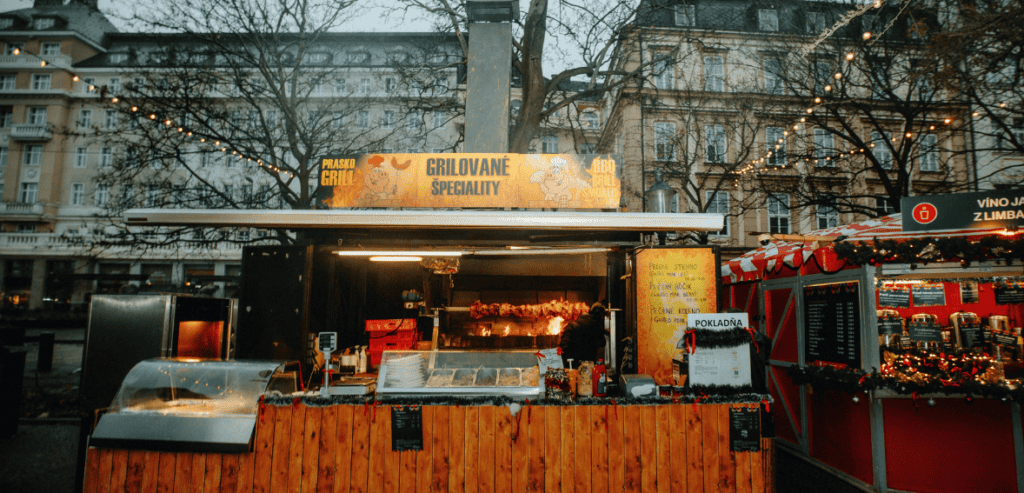
Selling during the holidays in a downtown district is more complex than selling during a normal week or month. Road and foot traffic behave differently; cold weather also cuts into the time people are willing to spend shopping. Weekend events can increase the number of people in the area.
Holiday markets also change the way merchants serve customers. Instead of just using their front counter, merchants extend their selling area through sidewalk displays, local markets, or one-day pop-ups in event spaces (shared spaces for temporary use).
Restaurants and shops also participate by bundling their gifts and holiday pre-catering offerings, creating new business avenues. All of these changes strain payment systems, which typically operate efficiently during normal operational periods.
In an urban environment like Scranton’s, local merchants also compete on convenience and personality. While people wish to support small businesses, they still expect the shopping experience to be as quick and simple as it is with larger businesses.
This expectation includes quick, seamless contactless payment processing, digital receipts, and unobstructed, quick access to the cash register. If a payment terminal is down, if cashiers lack the knowledge to properly process a return, or if a vendor at a market booth only accepts one payment method, customer satisfaction is negatively impacted.
Holiday shopping adds time pressure for customers who prioritize convenience as they juggle multiple activities, appointments, and family commitments while navigating large crowds. Even small delays can be very frustrating.
Merchants can prepare for the holiday season and the associated challenges, such as checkout congestion, by designing payment options with anticipated holiday conditions in mind.
This includes planning sales locations, considering customers’ payment preferences, selecting employee hardware, and designing the overall payment system to accommodate expected customer traffic. For merchants in downtown areas, effective holiday shopping season planning can alleviate the stress associated with payment processing and clerical task automation.
The new reality of holiday payments is speed, flexibility, and trust
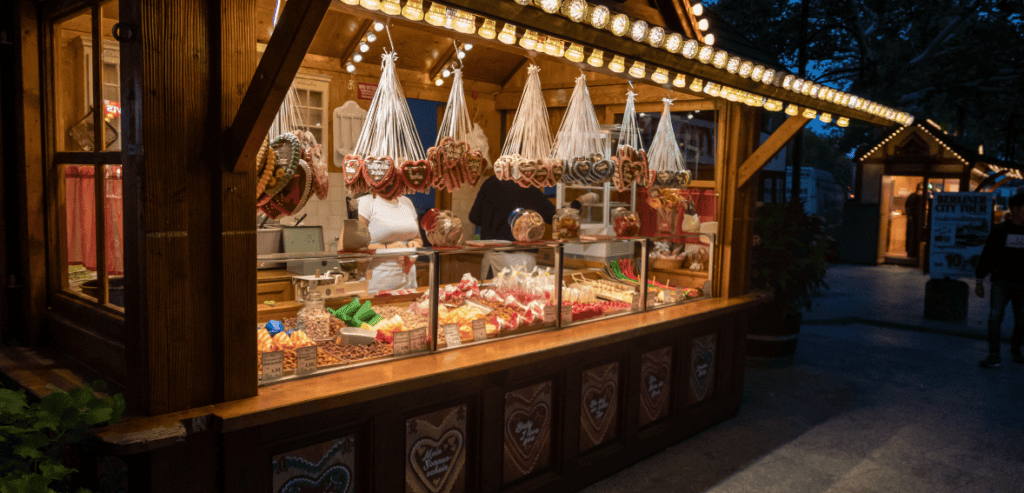
Consumers are used to having a variety of options at the point of sale. While some shoppers may still prefer using a chip card, the majority have come to expect being able to make payments touchless via mobile wallets, with the additional options of receiving an emailed receipt, ordering online, and receiving a text message about the payment.
During the holiday season, these expectations are even stronger. Shoppers are making more and more quick purchases, and the more flexible the payment options are, the more likely they are to make an additional purchase.
In addition to convenience, trust is super important. Holiday shoppers may be purchasing from a new seller, especially for pop-up shops. Buyers are much more likely to buy when they trust the transaction, and a modern payment method adds to that trust.
Trust is important for shoppers at busy cash registers with many buyers. Staff members can help you address your concerns about modern payment options.
For merchants in Scranton, this means that seasonal payment systems should foster both efficiency and trustworthiness. The system should function in-store, out of store, and under pressure. It should also allow staff to answer customer questions without confusion.
Can customers tap to pay on their phone? Will they receive the receipt via email? Can they do a split payment? Is it possible to purchase a gift card? Can customers return it? Businesses that do this create a more positive and professional holiday experience.
Constructing the Right Payment Setup for Small Business Saturday
Few payment systems are patient enough to allow merchants to view Small Business Saturday and the sales holiday that follows as a single, standout, busy shopping day. It becomes a period of sustained holiday sales, and merchants view it as a live stress test. If a payment system has issues on Small Business Saturday, it is likely the same issues will occur during the peak holiday shopping season.
If a payment system has issues on Small Business Saturday, it is likely the same issues will occur during the peak holiday shopping season. Therefore, the best payment systems are designed to endure both high and low volumes.
The ability to accept payments in various forms is the greatest convenience for customers. Merchants must be able to seamlessly process payments from credit and debit cards, contactless payment options, and mobile wallet applications. For many downtown retailers, this also involves having a backup processor available to handle potential processor failures, scanner malfunctions, or long queue wait times.
Additionally, pop-up vendors and temporary booths require portable processors with long-lasting batteries and a robust wireless connection, especially when operating outdoors or in shared event areas with limited Wi-Fi access.
During the holiday season, an integrated payment system that operates in real time with inventory control, receipt generation, gift card sales, and reporting is an additional element that helps merchants provide a seamless holiday shopping experience.
When payment systems are not integrated, staff are forced to use multiple devices to accomplish a single operational goal, which, in turn, slows service and the overall holiday shopping experience. The critical role of a smooth, integrated payment system in enhancing the shopper experience is often overlooked.
Set-up is an additional critical component that must not be neglected. Merchants may have the newest and most advanced technology, but it will not translate to efficiency if staff have not been properly trained.
Holiday season personnel must be able to execute a number of functions with ease to achieve operational success, including, but not limited to, processing payments that require gift cards, splitting transactions, applying discounts, and issuing refunds. The value of pre-holiday practice during the holiday season cannot be overstated, as it directly affects both transaction speed and customer satisfaction.
Holiday Pop-Up and Temporary Retail Space Payment Considerations

Pop-ups create operational challenges that holiday pop-ups don’t have to worry about, but permanent storefronts don’t. A temporary space may have limited access to power and internet, and may even have less room for hardware and a different traffic flow than a typical retail space. Because of these factors, payment processing must be simplified, made portable, and reliable.
When it comes to payment systems, a primary concern is mobility. Merchants taking part in holiday pop-up markets should use a payment system designed for mobility, rather than one adapted from stationary countertops. For instance, a mobile payment system that integrates a portable card reader with a smartphone or tablet is a solution that can be implemented. In fact, to be effective, a portable payment solution must be tested well in advance and under a variety of conditions. For example, battery life, cellular reception, receipt printing, and transaction processing speed must all be optimized prior to market opening.
The remaining priority is consistency. A final important consideration is that all transactions should be consistent, whether customers shop at a main storefront, a kiosk, or a pop-up. Titles should match, the tax configuration should be accurate, and receipts should reflect the transactions conducted.
Record keeping for the transaction should also be enabled for customers if an exchange or return of an item is required. Gift transactions, in particular, are often conducted at one location with the intent to return the item at a different location, making this consideration even more important during the holiday shopping season.
Security is the third priority. While the overall feel of temporary retail settings may be perceived as casual, handling payments is not something to be treated informally. Devices should be secured, staff should adhere to specific transactional cleanliness standards, and safeguarding customer data should be a priority.
A rushed holiday event is not a good time to find out that the device is left unattended or that staff are improvising payment steps they were not trained in. While the atmosphere is celebratory and fast, the secure payment habits fostered ensure safety for the customer and the merchant.
The Cost of Holiday Sales That Checkout Issues Can Be Avoided
Many holiday payment issues are easy to foresee. They are the result of businesses not replacing old hardware, not preparing for increased traffic, and not considering that what worked in October would be sufficient in late November and December.
Slow processing, payment reader connectivity issues, receipt malfunctions, undertrained employees, and ineffective queue management are all commonplace. Each in isolation is not serious, but collectively they undermine buyer conversion right when they are the most willing to spend.
Long lines pose particularly significant problems during Small Business Saturday and downtown holiday events. Customers may have multiple destinations to visit and may abandon a purchase if a line looks messy and chaotic. Merchants can counter that by anticipating line flow before busy days.
In some instances, having a second mobile checkout may enable merchants to process more customers than a traditional single-counter setup. In other scenarios, prepackaged items, quick purchase gift displays, and staff members equipped to make sales anywhere in the store may keep the line moving.
Another common point of failure is connectivity. Merchants in pop-up shops and older buildings should assess their coverage before the event and have a backup plan.
A dependable payment system goes beyond the device; it integrates the device with its surrounding environment. Seasonal selling becomes much easier when merchants build in backup systems. When merchants hope systems will work under pressure, they quickly become stressed.
How Payment Strategy Supports Customer Loyalty After the Holidays
Seasonal payment systems are not a band-aid for busy weekends. It is an opportunity to invest in customers’ relationships, and that will extend long past December.
Shoppers who encounter an easy, professional checkout process are more likely to become repeat customers and speak positively about the business. This is essential for downtown merchants who rely on holiday traffic for sales and who rely on repeat sales from local customers year-round.
The post-purchase experience matters. Trust can be sustained post-purchase through digital receipts, returns, gift cards, and transaction records. Merchants who handle follow-up requests well, like responding to gift purchases made in November, can sustain relationships. In that regard, payment systems are about more than collecting payment. They are about customer service, brand perception, and customer retention.
This rings true for independent businesses in the downtown Scranton community, where reputation spreads quickly through word of mouth. In the case of payment systems, customers remember when the payment experience was frictionless and when it was stressful. Merchants should prioritize payment systems as part of their holiday business strategy. A well-prepared seasonal setup supports revenue and reputation, and so should payment system readiness.
A Holiday Payment Checklist for Downtown Merchants
As we prepare for the busiest days of the holiday shopping season, it is important to make sure your payment setup reflects what we will be selling this season. Be sure to test your payment terminals, update your software, check the batteries on your mobile devices, confirm your receipt-printing options, review your procedures for gift cards and gift card transactions, and ensure your staff is prepared to execute the most common transaction scenarios with the fewest interruptions.
Also, be prepared to sell from locations other than the register (sidewalk displays, holiday market booths, community event booths, etc.). When merchants think through these scenarios ahead of time, it reduces stress on employees and customers and the chance of interruptions during high-traffic moments.
Conclusion
The holiday season is an exciting time for us in downtown Scranton, and the new pop-up businesses are a welcome addition, but we can’t rely on the holiday spirit and goodwill to generate sales. We also need the merchants to be prepared, with systems in place, to serve their customers quickly and confidently. All payment processing systems need to work. When they do it, it is an invisible system, but when they fail, it impacts sales and service and loses customers’ trust.
To capitalize on pedestrian traffic during the downtown holiday season, merchants will benefit from an adaptable, reliable, and easy-to-use payment system that supports pop-up and seasonal staff.
Early-season preparation will allow businesses to capture holiday traffic, reduce checkout friction, and increase the likelihood of converting first-time shoppers into repeat customers. During the holiday season, with a focus on connection and community, an efficient payment process will help local businesses further strengthen their connections.
Frequently Asked Questions
What payment options should Scranton merchants offer during the holidays?
Merchants should be able to accept, at the very least, chip and contactless cards, as well as mobile wallet payments. During holiday business events, merchants should expect a large volume of customers who want to make quick contactless payments wherever they shop.
Are mobile payment systems a good fit for holiday pop-ups?
Yes, provided they are well tested prior to the event and have reliable connectivity and battery life. Overall, a good mobile payment system allows temporary merchants to set up a point-of-sale system more effectively and professionally.
Why is staff training so important for seasonal payment success?
Sales can be lost due to traffic jams at holiday-season checkout lines. Staff can readily and successfully reduce line length and increase sales at holiday events during peak hours when they are skilled in gift card transactions, contactless tap payments, digital receipts, and other functions that present customers with frictionless options.
How could an improved payment system benefit businesses post-holiday?
A streamlined checkout process fosters customer confidence, simplifies returns and exchanges, and enhances the experience of first-time customers. This allows downtown merchants to convert seasonal customers into loyal customers, well after the holiday rush.